Hey there, have you ever considered the nutritional punch packed in a simple can of tuna? It’s a powerhouse of protein and essential nutrients that can boost your diet effortlessly. Whether you’re aiming for muscle growth or heart health, tuna’s got something for you. But there’s more to uncover about its benefits and potential concerns. Stick around to explore what makes this pantry staple so intriguing.
Key Takeaways
- Canned tuna is a nutrient-dense food, offering 20-26g of protein per 5 oz. serving.
- It contains omega-3 fatty acids, supporting heart and brain health.
- Caloric content varies, with water-packed tuna at 90-120 calories per can.
- Light tuna has lower mercury levels, making it safer for regular consumption.
- Choose sustainably sourced tuna with Marine Stewardship Council certification.
Nutritional Profile of Canned Tuna
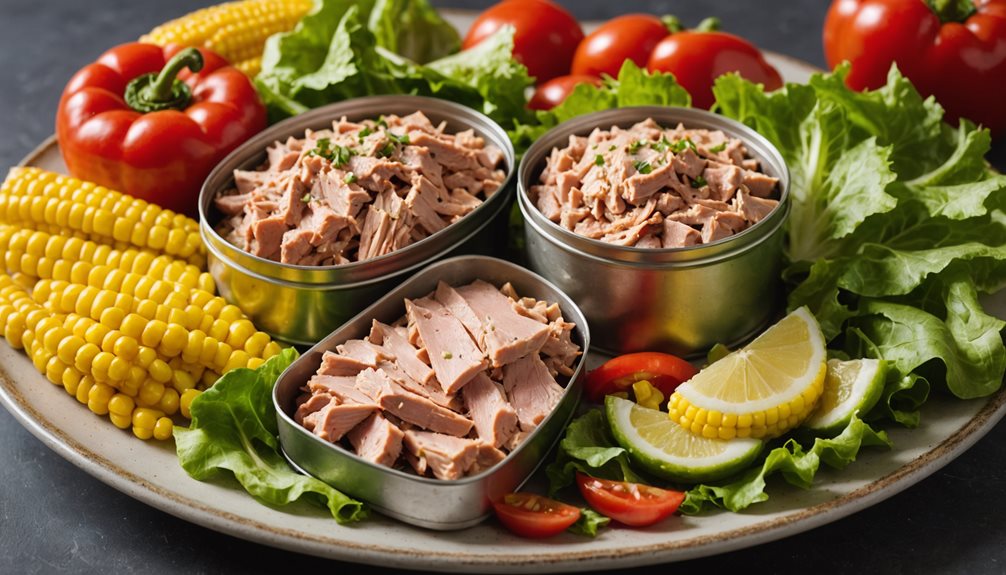
Canned tuna is a convenient food that offers several nutritional benefits. A 5 oz. can of Chunk Light Tuna in water contains approximately 20 grams of protein and 90 to 120 calories.
Solid White Albacore tuna provides roughly 26 grams of protein and about 110 calories per 5 oz. serving.
Both types of canned tuna are low in fat and supply important nutrients, including omega-3 fatty acids such as EPA and DHA, which play a role in supporting cardiovascular and cognitive health.
Health Benefits of Tuna Consumption
Tuna is a source of nutrients that may contribute to overall health when included in the diet.
Canned tuna provides a substantial amount of protein, which plays a role in muscle maintenance and repair due to its essential amino acid content. It’s also a source of omega-3 fatty acids; these have been associated with cardiovascular benefits and may help reduce inflammation.
Due to its relatively low calorie content combined with nutrient density, tuna can be considered in dietary patterns aimed at weight management.
Additionally, tuna contains vitamins and minerals such as vitamin B12 and selenium, which are important for metabolic processes and antioxidant defense.
Incorporating canned tuna into meals may help individuals meet their nutritional needs as part of a balanced diet.
Caloric Content Across Different Tuna Varieties
When considering the inclusion of tuna in a diet, it’s important to recognize the variation in caloric content among different tuna varieties and preparations.
Chunk light tuna packed in water contains approximately 120 calories per 5-ounce can, making it a relatively low-calorie source of protein. Albacore tuna in water, often labeled as solid white, contains about 110 calories and 26 grams of protein per 3-ounce can.
In comparison, canned tuna packed in oil has a significantly higher caloric content, with around 280 calories per 5-ounce serving.
Selecting tuna packed in water is generally preferable for reducing overall calorie intake while still obtaining a substantial amount of protein and other nutrients.
Dietary Compatibility With Popular Plans
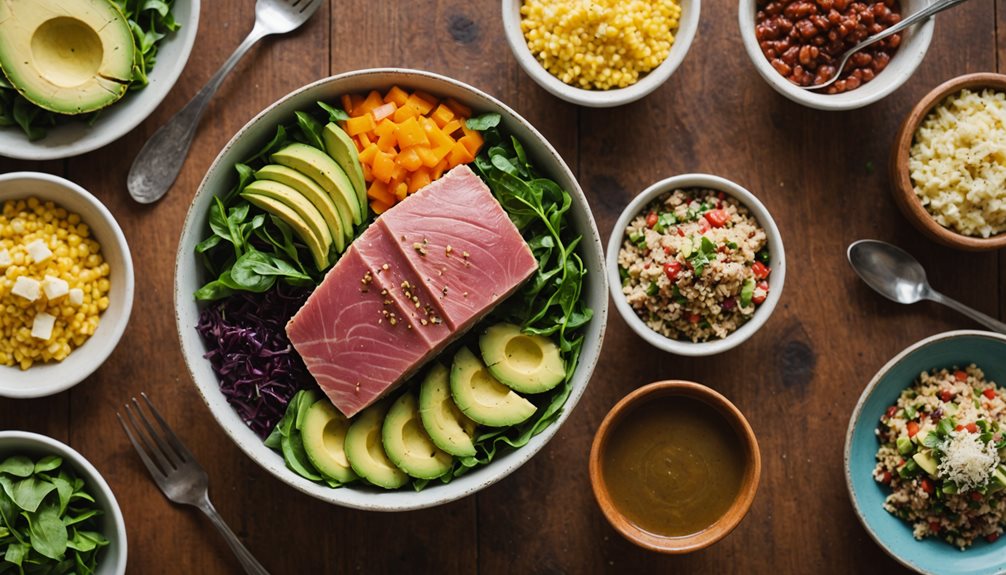
Tuna is compatible with a range of popular diet plans, primarily due to its nutrient density and low caloric content. Its high protein and omega-3 fatty acid content make it a suitable option for diets such as Paleo, which prioritizes whole and minimally processed foods.
For individuals following Weight Watchers, tuna is low in fat and calories, making it an appropriate choice for those monitoring daily intake. With approximately 26g of protein per serving in varieties like Solid White Albacore, tuna is also consistent with the requirements of high-protein diets, such as Keto and Mediterranean plans.
Mercury Levels and Safety Guidelines
Tuna is a source of important nutrients, but certain varieties can contain elevated levels of mercury. Larger species, such as albacore tuna, generally have higher mercury concentrations compared to light tuna.
For individuals who consume tuna regularly, choosing canned light tuna can help limit mercury exposure. Health authorities, including the FDA, recommend that people, particularly those who are pregnant or breastfeeding, adhere to guidelines that suggest limiting albacore tuna to no more than 4 ounces per week and avoiding other high-mercury fish.
Light tuna remains a source of Omega-3 fatty acids while generally presenting a lower risk of mercury accumulation. Consumers may also consider tuna products with Marine Stewardship Council certification, which indicates responsible fishing practices.
Sustainability and Ethical Sourcing
In addition to concerns about mercury, it’s important to consider the sustainability of tuna fishing. Overfishing poses a significant threat to tuna populations, making it advisable to choose brands that are committed to ethical and responsible sourcing practices.
The Marine Stewardship Council (MSC) certification is one indicator of sustainable fishing operations. Selecting light tuna, such as skipjack, is associated with lower mercury levels and generally a reduced environmental impact compared to larger tuna species.
Many producers have implemented traceability systems to reduce bycatch and promote the protection of marine ecosystems. By selecting products from companies that prioritize these measures, consumers can support efforts to preserve tuna populations and marine biodiversity for future generations.
Low-Calorie Recipe Ideas With Tuna
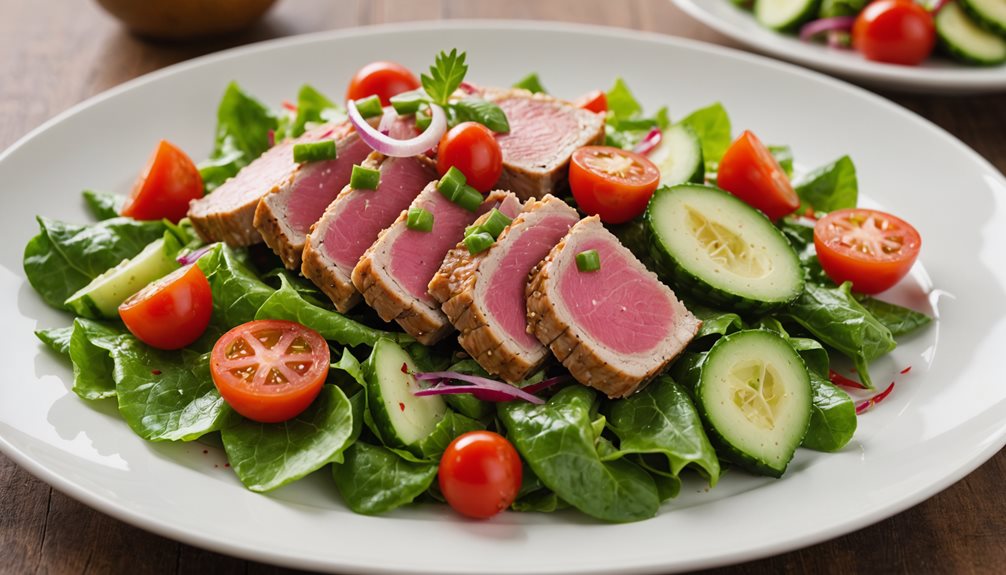
After considering the importance of sustainable tuna sourcing, tuna can be included in various low-calorie, nutrient-dense meals.
For example, Tuna Kale Rolls combine kale, quinoa, and moderate amounts of olive oil to provide fiber, protein, and healthy fats without excessive calories.
Canned tuna is also suitable for Mediterranean Tuna Salad, which typically includes tomatoes and olives, supplying additional vitamins and minerals.
A standard 5-ounce serving of tuna contains approximately 20 grams of protein, making it a notable protein source for balanced diets.
Other preparations, such as Tuna Veggie Grain Bowls, can offer a mix of vegetables and whole grains, contributing to a balanced, lower-calorie meal that supports nutritional needs.
Comparing Tuna Packed in Water vs. Oil
When selecting between tuna packed in water and tuna packed in oil, it’s important to consider their nutritional differences.
Water-packed tuna typically contains fewer calories, approximately 120 per 5-ounce can, compared to about 280 calories in the oil-packed version. Both options provide substantial amounts of protein, with water-packed tuna offering around 30 grams and oil-packed containing about 40 grams per serving.
The main distinction is in fat content; oil-packed tuna has a higher fat and calorie content due to the added oil. Both types are good sources of omega-3 fatty acids, which are important for health.
Additionally, water-packed tuna can sometimes have a higher sodium content, so reviewing the nutrition label is advisable if sodium intake is a concern.
The choice between water-packed and oil-packed tuna should be based on individual dietary needs and preferences, such as calorie, fat, and sodium considerations.
Tips for Selecting the Best Canned Tuna
When selecting canned tuna at the store, it’s advisable to consider several factors to ensure safety and quality.
Choosing chunk light tuna may help reduce mercury exposure, as it generally contains lower mercury levels than albacore or white tuna. Opting for tuna packed in water rather than oil can help minimize calorie intake.
Checking the nutrition label for sodium content is also important, particularly for those monitoring their salt consumption; some brands offer options with reduced sodium.
Selecting products with Marine Stewardship Council certification can indicate that the tuna was sourced through sustainable fishing practices.
Additionally, examine the cans for any signs of damage, such as dents or swelling, and avoid purchasing any cans with unusual odors, as these may indicate compromised quality.