If you’re exploring intermittent fasting, you might wonder if tea fits into your plan. Don’t worry—tea can often be a great companion during fasting windows. It’s typically calorie-free and might even support your goals. But, there’s a catch: not all teas or add-ins work the same way. Stick with me to uncover which options are best and how to avoid common pitfalls.
Key Takeaways
- Yes, you can drink tea during intermittent fasting if it’s unsweetened and without additives.
- Suitable teas include green, herbal, and rooibos for their minimal calorie content.
- Tea helps with hydration and may reduce hunger during fasting periods.
- Avoid caffeine overload to prevent anxiety or gastrointestinal issues while fasting.
- Ensure balanced nutrition; don’t rely solely on tea for appetite suppression.
Understanding Intermittent Fasting Basics

Intermittent fasting (IF) is an eating pattern that alternates between designated periods of eating and fasting. A common method is the 16/8 approach, which restricts food intake to an 8-hour window and involves fasting for the remaining 16 hours of the day.
During fasting periods, non-caloric beverages such as water and certain types of tea can be consumed to maintain hydration. Research suggests that intermittent fasting may contribute to weight loss and support metabolic health, in part by improving insulin sensitivity and promoting fat utilization.
Some studies also indicate potential health benefits, including a reduced risk of certain diseases. For those who wish to drink tea during fasting, unsweetened, calorie-free varieties are generally considered compatible with intermittent fasting protocols, as they’re unlikely to disrupt the fast.
Rules for Drinking During Fasting Periods
When following intermittent fasting, it’s important to select beverages that don’t disrupt the fasting process. Non-caloric drinks, such as plain water and unsweetened tea (including green and herbal varieties), are suitable options.
These choices can support hydration and may help alleviate hunger without providing additional energy that could interfere with fasting. It’s advisable to avoid adding sweeteners, milk, or cream to tea, as these additions introduce calories and may break the fast.
Individuals should also be mindful of their overall caffeine intake from tea to prevent potential side effects associated with excessive consumption. Maintaining a straightforward approach to beverage choices can help ensure adherence to fasting protocols.
Benefits of Tea in Fasting Regimens
For individuals following intermittent fasting regimens, including tea in their routine may offer several practical benefits.
Tea contains minimal calories, which can help manage hunger and support adherence to fasting windows. Certain types of tea may have a mild metabolic effect, potentially contributing to fat oxidation, although these effects are generally modest.
Tea is also a source of hydration, which is important during fasting periods when caloric beverages are typically avoided. Additionally, tea provides antioxidants, which have been associated with cardiovascular and other health benefits in scientific studies.
While tea isn’t essential for intermittent fasting, its inclusion can be a supportive component within a fasting protocol.
Types of Tea Suitable for Fasting
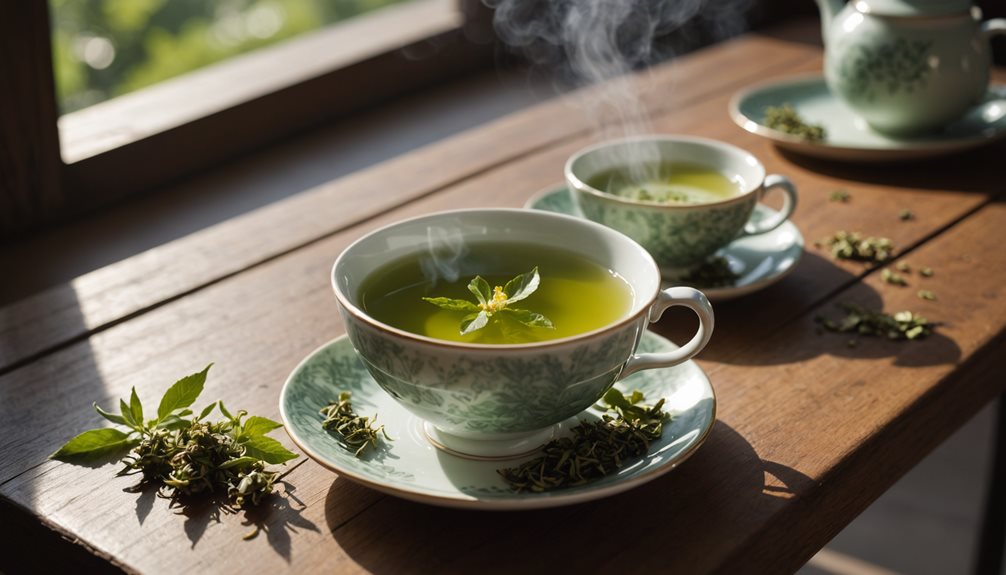
When practicing intermittent fasting, selecting appropriate teas may help support the process.
Green tea is commonly chosen, as it contains caffeine and catechins that have been associated with a minor increase in metabolic rate.
Herbal teas such as peppermint and ginger are naturally free of calories and caffeine, and may assist with digestion and help manage hunger.
Rooibos tea offers an additional caffeine-free option and contains antioxidants, which can contribute to general hydration during fasting.
Matcha, a powdered form of green tea, provides higher concentrations of caffeine and antioxidants than standard green tea and may support alertness.
All these teas are typically consumed without sweeteners or additives to avoid breaking the fast.
Potential Risks of Tea Consumption While Fasting
When considering tea consumption during intermittent fasting, it’s important to be aware of potential risks.
Individuals with caffeine sensitivity may experience side effects such as anxiety or insomnia from teas that contain caffeine, including black and green varieties. Excessive caffeine intake can also contribute to gastrointestinal discomfort.
It’s advisable to choose teas with natural ingredients and avoid blends that may contain unregulated substances. Pregnant or breastfeeding individuals should seek medical advice before consuming tea while fasting.
Relying on tea to suppress appetite isn’t recommended; maintaining balanced nutrition is essential for overall health.
Being mindful of these factors can help ensure that tea consumption supports rather than undermines the benefits of fasting.
How Tea Affects Hunger and Hydration
During intermittent fasting, tea can be a useful beverage for managing both hunger and hydration. As a non-caloric drink, tea doesn’t disrupt the fasting process and can be consumed without adding calories. The act of drinking tea may help promote a sense of fullness, which can assist in controlling hunger sensations during fasting periods.
In addition, tea contributes to daily fluid intake and can help support hydration, which is important for maintaining energy and concentration.
Some research suggests that certain types of tea, such as green tea, may have a modest effect on metabolism and fat oxidation, potentially aiding weight management efforts. However, these effects tend to be small and shouldn’t be considered a primary strategy for weight loss.
Choosing the Right Tea for Your Fast

Selecting an appropriate tea during intermittent fasting can support hydration and may help manage hunger. Unsweetened options, such as green tea, contain minimal to no calories and provide compounds like catechins, which have been studied for their potential metabolic effects.
Herbal teas, including chamomile and peppermint, are naturally caffeine-free and don’t contain sugar, making them suitable during fasting periods.
It’s advisable to opt for high-quality teas with straightforward ingredient lists to reduce the risk of consuming additives or sweeteners that could impact the fasting state.
Choosing suitable teas can assist in maintaining hydration and may help with adherence to intermittent fasting protocols without interfering with the fast itself.
Common Myths About Tea and Fasting
When practicing intermittent fasting, several misconceptions about tea consumption may arise. One common myth is that any tea will break a fast; however, plain, unsweetened, and calorie-free teas typically don’t interfere with the fasting process.
Another belief is that tea acts as a diuretic and causes dehydration. In reality, tea contributes to overall fluid intake and can support hydration, especially when consumed without added sugars or milk.
Additionally, it’s sometimes assumed that all teas contain caffeine, but many herbal teas are naturally caffeine-free and may be suitable for individuals seeking to avoid stimulants.
It’s also important to note that different types of tea have varying properties; for example, some evidence suggests that green tea may have a modest effect on metabolism during fasting periods.
Personalizing Your Fasting Experience With Tea
Individuals engaging in intermittent fasting may find that incorporating tea can complement their regimen.
Different types of tea offer specific properties; for example, green tea contains compounds that may support metabolic processes, while certain herbal teas could have calming effects.
It’s important to consider the caffeine content of various teas, as this may influence tolerance and overall well-being during fasting periods.
Trying a range of teas—including black, green, and herbal—can help individuals identify which options are most effective for hydration and appetite control.
Monitoring individual responses to each type is advisable to ensure that tea consumption doesn’t interfere with the fasting process.
To maintain variety without disrupting fasting goals, it’s recommended to choose teas that don’t contain added calories or sweeteners.
Tips for Incorporating Tea Into Your Fasting Routine
Incorporating tea into an intermittent fasting routine can offer several practical benefits. Non-caloric options such as black, green, or herbal teas are generally permissible during fasting periods, as they don’t disrupt the fast by adding calories. Unsweetened teas are recommended to reduce the risk of insulin response.
Varieties like ginger or hibiscus tea may help manage appetite and provide additional health-promoting compounds. To maintain adequate hydration, pairing tea intake with water is advisable.
It’s also important to monitor total caffeine consumption from tea, with a general guideline of keeping intake below 400 milligrams per day to minimize potential adverse effects. These considerations can help support the effective integration of tea into an intermittent fasting regimen.