If you’re experiencing diarrhea from intermittent fasting, don’t worry—there are practical steps you can take to manage it. Fasting can sometimes disrupt your digestive system, leading to unexpected discomfort. By adjusting your approach and focusing on hydration and gentle foods, you can ease the issue. Stick with me to uncover simple, effective strategies to get your body back on track without derailing your fasting goals.
Key Takeaways
- Stay hydrated by drinking 2–3 liters of water daily to prevent dehydration during fasting.
- Reintroduce food slowly with small, low-fiber meals like rice or toast after fasting.
- Avoid large, high-fat meals that can overwhelm your digestive system post-fast.
- Limit irritants like caffeine and spicy foods to reduce gastrointestinal discomfort.
- Consider probiotics or fermented foods to support gut health and minimize diarrhea.
Understanding Intermittent Fasting and Its Effects

Intermittent fasting can influence various aspects of digestive health. During fasting periods, the digestive system adjusts to extended intervals without food intake, which may alter gastrointestinal motility.
Some individuals report changes in bowel movements, including the possibility of diarrhea, particularly when they consume large or high-fat meals immediately after breaking a fast.
To minimize digestive discomfort, it’s advisable to maintain adequate hydration and reintroduce food gradually after fasting. Eating slowly and choosing easily digestible foods may help reduce stress on the digestive system and support gut function.
Common Side Effects of Fasting on the Body
When practicing intermittent fasting, individuals may experience a variety of side effects as their bodies adapt to the new eating pattern. One common issue is dehydration, particularly if fluid intake doesn’t increase to compensate for the reduced time available to drink. Dehydration can affect overall health and may worsen gastrointestinal symptoms such as diarrhea.
Headaches and dizziness are also frequently reported, especially during the initial phase of fasting, as the body transitions to utilizing different energy sources. In addition, intermittent fasting can lead to changes in gut microbiota, which may influence digestive processes.
After breaking a fast, consuming large or heavy meals can sometimes result in abdominal discomfort, as the digestive system may require time to adjust. Being aware of these potential side effects can help individuals practice intermittent fasting more safely and effectively.
Why Diarrhea Occurs During Intermittent Fasting
Diarrhea can be a potential side effect of intermittent fasting, and several factors contribute to its occurrence. One possible reason is that fasting may increase gut motility, which can lead to more rapid bowel movements, especially when the stomach is empty.
The consumption of caffeine, which is common during fasting periods, may further irritate the gastrointestinal tract and exacerbate symptoms. Additionally, breaking a fast with large or high-fat meals can overwhelm the digestive system and trigger gastrointestinal discomfort, including diarrhea.
Food intolerances can also become more apparent during fasting periods, as changes in eating patterns may affect digestive sensitivity. Some supplements taken on an empty stomach may contribute to gastrointestinal upset as well.
Recognizing these potential causes can help individuals manage or prevent diarrhea associated with intermittent fasting.
Identifying Triggers of Diarrhea While Fasting
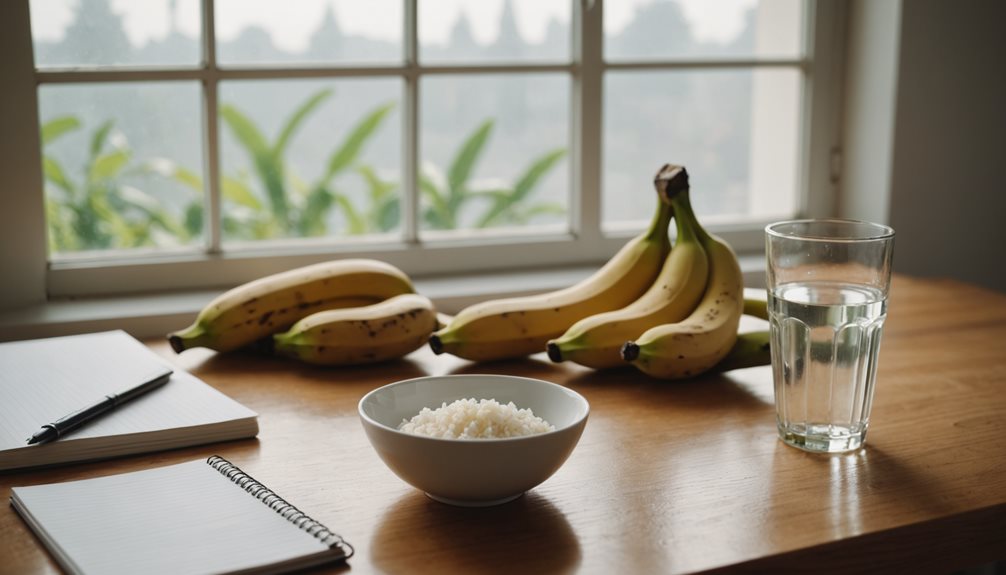
To identify the causes of diarrhea during intermittent fasting, it’s useful to monitor what you eat when breaking your fast. Consuming high-fat foods or large meal portions can place stress on the gastrointestinal system and may contribute to diarrhea.
Food intolerances, such as lactose sensitivity, could also provoke symptoms when consuming dairy products. In addition, ingesting caffeinated beverages on an empty stomach during fasting periods can irritate the gut lining.
Some dietary supplements, including MCT oil, are known to have a laxative effect in certain individuals. Keeping a detailed record of your food and beverage intake, as well as the timing of symptoms, can help isolate specific triggers.
This approach enables you to make informed adjustments to your diet to minimize the risk of diarrhea during intermittent fasting.
Hydration Strategies to Combat Dehydration
Intermittent fasting can reduce fluid intake, increasing the risk of dehydration, particularly in the presence of diarrhea.
It’s important to maintain adequate hydration by consuming 2–3 liters of water per day to replace fluids lost during fasting and gastrointestinal symptoms.
Including electrolyte-rich fluids, such as diluted sports drinks or oral rehydration solutions, can help replenish essential minerals lost through diarrhea.
Herbal teas and clear broths may provide additional gentle hydration that’s generally well-tolerated.
It’s advisable to avoid caffeinated beverages, as these can contribute to further dehydration and potentially worsen diarrhea.
Monitoring urine color, and aiming for a light yellow hue, can serve as a practical indicator of adequate hydration, with adjustments to fluid intake made as necessary.
Dietary Tips for Managing Digestive Issues
After addressing hydration to mitigate dehydration during intermittent fasting, it’s important to consider dietary strategies that support digestive health.
When ending a fast, beginning with easily digestible foods such as plain toast or rice can help reduce the risk of digestive disturbances like diarrhea. If gastrointestinal issues persist, adhering to the BRAT diet—bananas, rice, applesauce, and toast—may offer relief, as this approach is often tolerated well by individuals experiencing discomfort.
Maintaining adequate hydration through diluted juices or broths is also recommended. Incorporating probiotics, for example by consuming yogurt, may contribute to restoring the balance of gut bacteria.
High-fat meals should be avoided immediately after fasting, as they may be more likely to cause digestive upset. These measures can help support digestive function and may reduce discomfort associated with intermittent fasting.
Over-the-Counter Solutions for Symptom Relief

Over-the-Counter Solutions for Symptom Relief
Individuals experiencing diarrhea during intermittent fasting may consider several over-the-counter (OTC) medications for symptom relief. Loperamide (Imodium) is commonly used to slow intestinal movement and decrease the frequency of diarrhea.
Another option is bismuth subsalicylate (Pepto-Bismol), which can help by reducing gastrointestinal inflammation. To address the risk of dehydration—which can be more pronounced while fasting—oral rehydration solutions containing electrolytes are recommended.
Additionally, probiotics may assist in restoring gut flora balance following episodes of diarrhea. While these treatments can be effective for managing mild symptoms, it’s important to seek medical attention if severe symptoms develop, such as bloody stools or signs of significant dehydration.
Using standard OTC products, alongside maintaining adequate hydration, can help manage diarrhea during intermittent fasting in most cases.
When to Break Your Fast Due to Diarrhea
If you experience persistent diarrhea during intermittent fasting, it’s important to consider ending your fast to reduce the risk of dehydration and electrolyte imbalances.
Diarrhea results in significant fluid and electrolyte loss, making hydration a priority. Symptoms such as severe abdominal pain, dizziness, or weakness are indications that fasting should be discontinued and recovery efforts initiated.
If diarrhea lasts more than a few hours, it’s advisable to stop fasting and focus on rehydration and restoring electrolytes. Prolonged symptoms can potentially worsen your condition, so monitoring your health and responding appropriately is important.
If symptoms persist or worsen, seek medical advice.
Seeking Medical Advice for Persistent Symptoms
Intermittent fasting is associated with certain health benefits; however, it’s important to recognize that persistent diarrhea lasting longer than 24 hours may indicate an underlying medical condition.
Individuals experiencing ongoing symptoms should seek prompt evaluation from a healthcare professional to determine the cause and receive appropriate management. This is particularly important for those with pre-existing conditions or additional symptoms such as fever or signs of dehydration.
Early medical assessment can help prevent complications and ensure that intermittent fasting is safe for the individual. Regular monitoring by a healthcare provider can also support overall health during periods of fasting.
Preventive Measures for Future Fasting Practices
When practicing intermittent fasting, certain measures may help reduce the likelihood of developing diarrhea. Maintaining adequate hydration and considering electrolyte solutions can help preserve fluid balance, which may be affected during fasting periods.
Reintroducing food with small portions of low-fiber options, such as toast or rice, can be gentler on the digestive system. It’s advisable to limit the intake of caffeinated beverages, as these can potentially irritate the gastrointestinal tract.
Additionally, consuming high-fat meals immediately after a fasting period may increase gastrointestinal discomfort, so balanced, moderate meals are recommended. Including probiotics in the diet may also support gut health by promoting a stable microbiome.
Implementing these strategies may contribute to a more manageable fasting experience and help minimize the risk of digestive disturbances.