Have you ever wondered if yoga counts as meditation? You’re not alone in pondering this. Both practices aim to center your mind and body, yet they seem distinct at first glance. Yoga involves physical poses, while meditation often focuses on stillness. But is there a deeper connection? Stick around as we unpack how these two paths might intertwine to enhance your well-being in unexpected ways.
Key Takeaways
- Yoga and meditation are related but distinct practices with different focuses.
- Yoga involves physical postures and breathing, while meditation centers on mental clarity.
- Meditation is a core component of traditional yoga, like in Dhyana.
- Combined, they enhance both physical health and mental well-being.
- Yoga can include meditation, but they aren’t the same practice.
Exploring the Essence of Yoga and Meditation
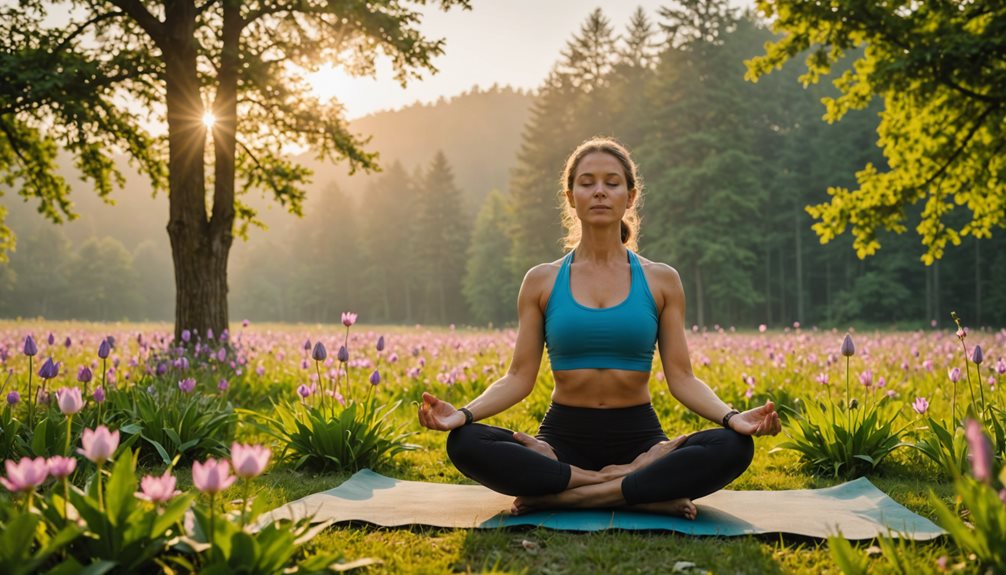
Yoga and meditation are closely related practices, but each serves a distinct function in supporting overall well-being. Yoga generally involves physical postures, controlled breathing, and focused attention, which can improve flexibility, strength, and awareness of the body. These physical components often serve to prepare individuals for meditation by helping to reduce physical tension and improve mental focus.
Meditation, in contrast, is primarily a mental practice centered on developing sustained attention and promoting relaxation or clarity of mind. Research indicates that both yoga and meditation can independently contribute to reduced stress and anxiety and can enhance mental well-being when practiced regularly.
When combined, yoga and meditation create a complementary approach, addressing both physical and psychological aspects of health. This integration may foster greater relaxation, support emotional regulation, and help individuals manage stress more effectively.
Key Differences Between Yoga and Meditation Practices
Yoga and meditation are distinct practices, although both contribute to overall well-being.
Yoga primarily focuses on physical health through a series of postures and controlled breathing techniques, which can improve flexibility and address certain health conditions. In contrast, meditation is centered on developing mental clarity and mindfulness by encouraging an internal focus and calming the mind.
Some practices, such as Shavasana at the end of a yoga session, incorporate elements of both movement and meditative stillness. Generally, yoga emphasizes physical engagement, while meditation is typically practiced in stillness with the objective of increasing self-awareness.
Yoga sessions often involve varying durations of physical activity, while meditation is usually practiced in shorter intervals, progressively guiding practitioners toward a state of quiet attentiveness.
Shared Benefits for Mind and Body Wellness
Rather than focusing on the differences between yoga and meditation, it’s useful to examine how these practices can complement each other to support overall well-being.
When practiced together, yoga and meditation can activate the parasympathetic nervous system, which helps reduce stress and promote a sense of calm. Meditation has been shown to assist in managing anxiety and improving sleep quality.
Engaging in both practices regularly can enhance mindfulness, which is associated with better physical and mental health outcomes. Yoga can contribute to improved physical strength and flexibility, while meditation can support cognitive clarity and emotional regulation.
Together, these practices may improve an individual’s ability to manage daily stressors and maintain balance.
The Role of Meditation Within Yoga Traditions
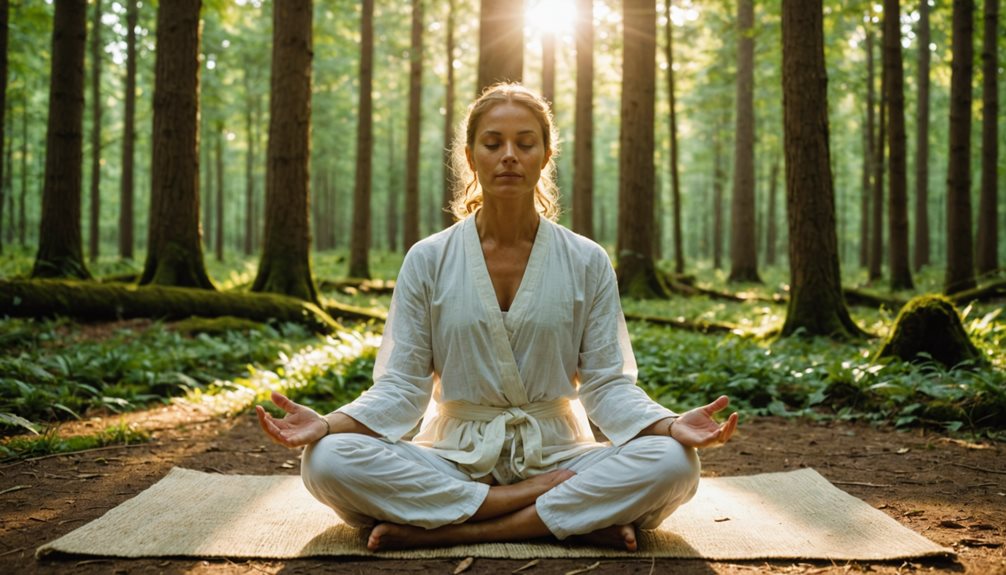
Meditation, known as Dhyana, is recognized as a central component within traditional yoga frameworks, along with Asanas (postures) and Pranayama (breath regulation).
Within classical yoga traditions, meditation serves to integrate physical and mental practices, fostering a deeper level of self-awareness. Common practices, such as maintaining mindfulness during postures like Shavasana, are intended to facilitate mental focus and reflectiveness in addition to physical relaxation.
Historical sources and key texts, including the Yoga Sutras of Patanjali, identify meditation as essential for cultivating inner stillness and self-knowledge.
Incorporating meditation into a yoga practice is generally understood to support mental clarity, emotional balance, and a stronger engagement with the philosophical foundations of yoga.
Harmonizing Yoga and Meditation for Holistic Health
Meditation is a key component within many yoga traditions, and combining these practices can offer notable benefits for holistic health.
Yoga frequently includes elements of meditation, which can facilitate the integration of mind and body awareness. Engaging in meditation as part of a yoga routine may help reduce muscle tension and support physical well-being, while also contributing to an enhanced understanding of one’s internal experiences.
Research suggests that meditation can assist in lowering stress levels and improving emotional regulation, which may amplify the therapeutic benefits of yoga.