Have you ever wondered why so many people turn to meditation? It’s not just about sitting still; it’s a powerful tool to transform your mind and body. You can reduce stress, sharpen focus, and even improve your health with consistent practice. But what’s the deeper purpose behind this ancient tradition? Stick with me to uncover how meditation can truly change your life in unexpected ways.
Key Takeaways
- Meditation aims to reduce stress and anxiety, promoting a calmer state of mind.
- It enhances mental clarity and emotional regulation through mindful awareness.
- Regular practice improves physical health, including better sleep and lower blood pressure.
- It boosts creativity and problem-solving by reducing mental distractions.
- Meditation supports personal growth and resilience to daily challenges.
Understanding the Core Purpose of Meditation

Meditation is commonly practiced as a method for managing stress and anxiety. Research suggests that regular meditation can contribute to improved mental clarity and emotional regulation, which may help individuals handle daily challenges more effectively.
Mindfulness, a central aspect of many meditation techniques, encourages a heightened awareness of thoughts and emotions, potentially fostering a greater sense of calm. While meditation is often associated with relaxation, studies indicate it can also support broader aspects of personal growth and psychological well-being.
Mental and Emotional Advantages of Regular Practice
Regular meditation practice has been associated with a range of mental and emotional benefits supported by scientific research. Studies indicate that meditation can lead to increased gray matter in certain regions of the brain, which is linked to improved memory and emotional regulation.
Mindfulness meditation has also been shown to enhance cognitive abilities, including information processing and attention control. Additionally, meditation may contribute to the management of anxiety and depression by reducing the levels of stress hormones in the body.
These effects can help promote emotional well-being and resilience in the face of everyday challenges. Over time, consistent meditation practice may contribute to a more balanced and stable mental state.
Physical Health Improvements Through Meditation
In addition to its psychological benefits, meditation has been linked to several positive physical health outcomes. Regular meditation practice has been shown to lower blood pressure, which can contribute to improved cardiovascular health.
Research also suggests that meditation may help reduce the impact of stress on the body, which is associated with a range of health concerns. Some studies indicate that meditation can assist in managing chronic pain by changing how the brain perceives pain signals.
There’s evidence to suggest that meditation can enhance certain immune responses, potentially improving the body’s ability to defend against illness. Additionally, meditation has been associated with improvements in sleep quality, particularly in reducing symptoms of insomnia.
Enhancing Creativity and Problem-Solving Skills

Meditation has been identified as a supportive practice for enhancing creativity and problem-solving skills. Research indicates that mindfulness exercises can help reduce mental distractions, which may facilitate the generation of new ideas and approaches to problems.
Regular meditation is associated with improved mental flexibility, allowing individuals to consider challenges from multiple perspectives. Furthermore, meditation practices are linked to enhanced attention and concentration, which can help individuals focus more effectively on creative tasks and resist common distractions.
Some studies also suggest that meditation may enable access to subconscious insights, which could contribute to better performance in creative and problem-solving activities.
In addition, the general health benefits associated with meditation, such as reduced stress and improved cognitive function, may further support a clear and adaptable mindset.
Building Mindfulness for Daily Life Challenges
Meditation has been shown to support the development of mindfulness, which can be beneficial in addressing common daily life challenges. Regular mindfulness practice is associated with an increased awareness of thoughts and emotions. This heightened awareness may facilitate more deliberate and less reactive decision-making in stressful situations.
Research indicates that mindfulness can contribute to improved emotional regulation, which may assist individuals in managing stress and maintaining composure during difficult circumstances.
Incorporating mindfulness into daily activities such as commuting or eating can help individuals remain attentive to the present moment and potentially reduce feelings of stress or overwhelm.
Studies suggest that consistent mindfulness practice can enhance mental clarity and may improve one’s ability to handle adversity. Overall, meditation and mindfulness techniques provide practical tools to better navigate everyday challenges, supporting greater psychological resilience and focused attention.
Practical Steps to Start Meditating Today
Having considered how mindfulness can address daily challenges, it’s possible to begin a meditation practice with a few practical steps.
Starting with 5-10 minutes per day is generally recommended, as shorter sessions can help establish the habit without becoming overwhelming. Consistency is also important; setting aside a specific time each day may help integrate meditation into a routine.
Choosing a quiet and comfortable environment can reduce potential distractions. There are various techniques available, including mindfulness and guided meditation, and individuals may benefit from trying different approaches to determine which is most suitable.
Evidence, including findings from systematic reviews, suggests that meditation can reduce perceived stress and may contribute to improved well-being.
Digital resources and mobile applications, such as Calm, can provide additional support and structure for beginners. Over time, these practices may lead to noticeable changes in stress management and overall well-being.
Sustaining a Long-Term Meditation Habit
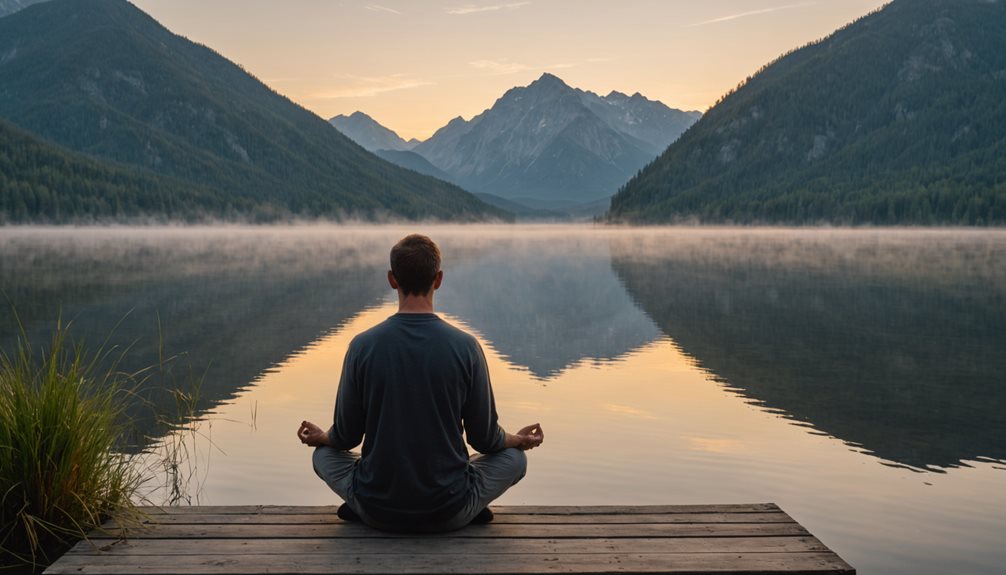
Maintaining a long-term meditation practice can help support ongoing improvements in focus, emotional regulation, and overall wellbeing.
Research suggests that beginning with short sessions—such as 5 to 10 minutes each day—can make the habit more manageable, and duration may be increased as comfort with the practice grows.
Establishing a consistent daily schedule and designating a quiet environment can make it easier to integrate meditation into a routine.
For individuals who encounter challenges with focus, digital resources such as meditation apps may provide guided support.
Additionally, exploring different types of meditation—such as mindfulness, loving-kindness, or body scan—can help individuals identify approaches that best align with their preferences and needs.
The most critical factor appears to be maintaining regular practice, as consistency over time is linked to greater and more sustained benefits.