Have you ever wondered how someone can get all their nutrients without eating? That’s where Total Parenteral Nutrition, or TPN, comes in. It’s a life-saving method that delivers essential proteins, carbs, fats, vitamins, and minerals straight into your bloodstream. If your digestive system can’t do its job, TPN steps up. But how does it work, and who needs it? Stick around to uncover the vital details.
Key Takeaways
- TPN, or Total Parenteral Nutrition, delivers essential nutrients intravenously to patients unable to eat or absorb food.
- It includes proteins, carbohydrates, fats, vitamins, and minerals, bypassing the digestive system completely.
- TPN is administered through a central venous catheter, often for long-term nutritional support.
- It is used for conditions like Crohn’s disease, severe burns, or cancer treatment side effects.
- Tailored to individual needs, TPN requires close medical supervision to prevent complications.
Understanding TPN Nutrition
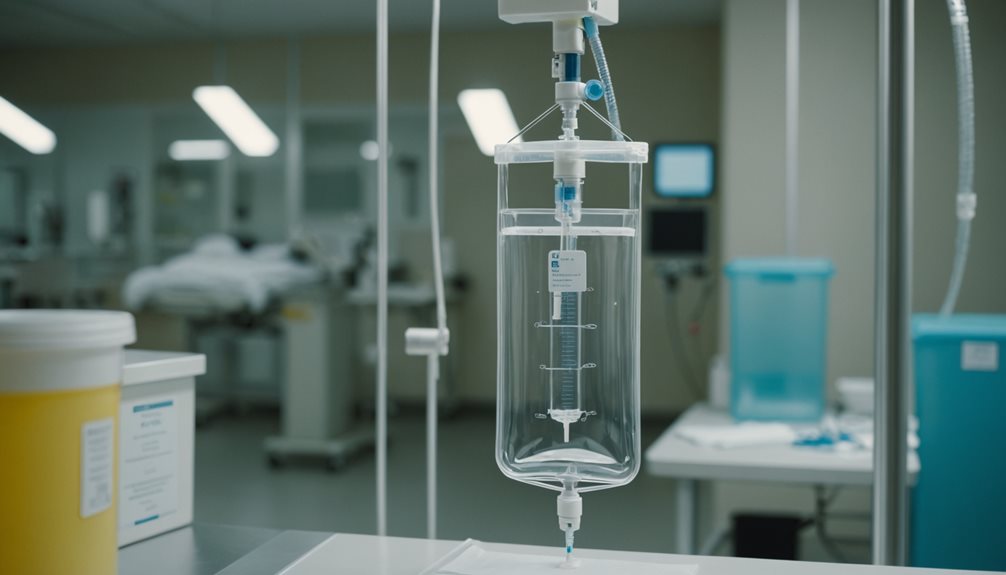
Total Parenteral Nutrition (TPN) is a medical therapy designed to deliver essential nutrients—including carbohydrates, proteins, fats, vitamins, and minerals—directly into the bloodstream through an intravenous (IV) catheter.
TPN is typically used when a patient’s digestive system is unable to adequately process or absorb food due to severe or chronic medical conditions.
The composition of the TPN solution is determined on an individual basis by a healthcare professional to meet the patient’s specific nutritional requirements.
Regular monitoring is necessary to assess the patient’s response to therapy and to detect potential complications, such as infections related to the IV line or metabolic imbalances.
Ongoing evaluation and adjustment by the medical team are important to ensure safe and effective management of nutritional needs while minimizing risks associated with TPN.
Types of Parenteral Nutrition
Parenteral nutrition is used to provide nutrients intravenously when oral or enteral feeding isn’t possible or adequate. There are several types of parenteral nutrition, each suited to specific clinical situations.
Total parenteral nutrition (TPN) delivers all essential nutrients through an intravenous catheter, typically when the gastrointestinal tract is nonfunctional or contraindicated.
Partial parenteral nutrition (PPN) provides only a portion of daily nutritional requirements and is often used when a patient can meet some of their needs orally or enterally.
Central parenteral nutrition (CPN) involves administering nutrient solutions through a central vein, such as the subclavian or jugular, which allows delivery of higher concentrations and is suitable for long-term therapy.
In contrast, peripheral parenteral nutrition (also referred to as PPN) uses peripheral veins and is generally appropriate for short-term use due to the lower concentrations of nutrients and risk of vein irritation.
Selection among these modalities depends on factors such as the patient’s nutritional status, intended duration of therapy, and the condition of venous access.
Proper assessment and monitoring are essential to minimize complications and ensure adequate nutritional support.
Components of TPN Solutions
Total Parenteral Nutrition (TPN) solutions are formulated to meet the nutritional requirements of patients who can’t obtain adequate nutrition through oral or enteral routes.
A typical TPN solution contains carbohydrates, usually supplied as dextrose, which serve as the primary source of energy. Amino acids are included to support protein synthesis and tissue maintenance. Lipid emulsions provide essential fatty acids and additional calories.
In addition, TPN solutions are supplemented with vitamins and trace elements to support metabolic processes and overall health.
The composition of each TPN solution is tailored to the individual patient, based on factors such as laboratory results, underlying health conditions, and changing nutritional needs.
This customization aims to ensure that patients receive a balanced and complete supply of nutrients delivered directly into the bloodstream.
Medical Conditions Requiring TPN
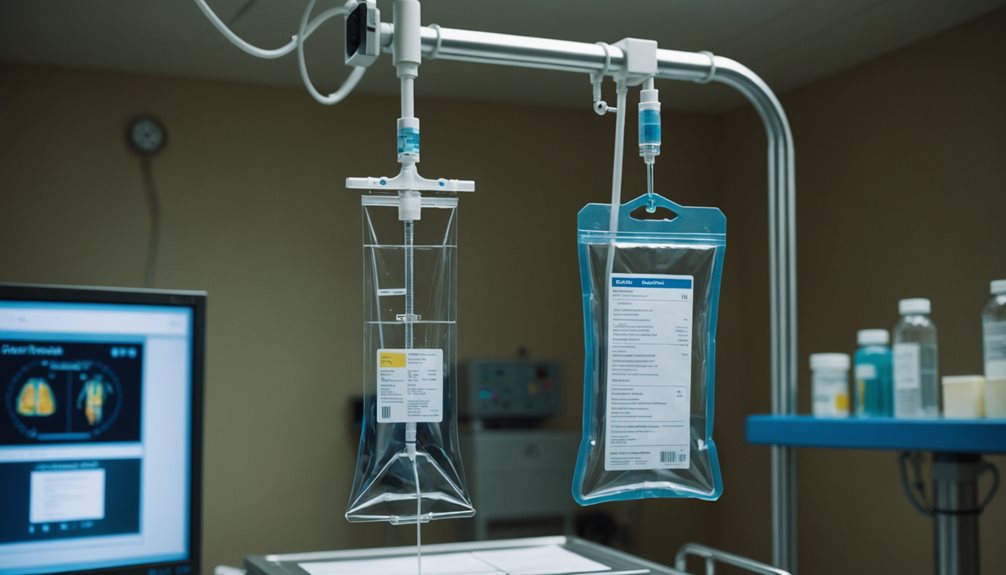
Total Parenteral Nutrition (TPN) is a medical intervention used when the gastrointestinal tract can’t be used to meet a patient’s nutritional needs. TPN delivers essential nutrients directly into the bloodstream through an intravenous (IV) line.
Common clinical indications for TPN include conditions such as short bowel syndrome, bowel obstruction, and severe cases of malabsorption. Patients undergoing certain cancer treatments, particularly those experiencing gastrointestinal complications from chemotherapy or radiation therapy, may require TPN if oral or enteral feeding isn’t feasible.
In both pediatric and geriatric populations, TPN may be necessary when prolonged inability to eat or significant gastrointestinal disease leads to or risks malnutrition.
TPN is generally reserved for cases where standard feeding methods are inadequate or impossible, and its use involves careful monitoring to reduce the risk of complications such as infection or metabolic disturbances.
Administration Process of TPN
Total Parenteral Nutrition (TPN) is used for individuals who are unable to obtain adequate nutrition through oral or enteral routes. The administration of TPN involves a series of specific procedures to ensure both safety and effectiveness.
Typically, a central venous catheter is inserted into a large vein, such as those located in the chest, to facilitate the delivery of nutrient solutions. The TPN formulation is tailored to the patient’s nutritional requirements and is administered using an intravenous (IV) infusion pump, usually over a period of 10 to 12 hours.
Proper care of the central line is essential to reduce the risk of complications, particularly infections, which are a significant concern with long-term central venous access.
Patients receiving TPN require regular clinical monitoring. This includes laboratory evaluations to assess electrolyte and nutrient levels, as well as regular weight measurements to monitor nutritional status.
These precautions are necessary to identify and manage any developing complications promptly and to ensure that nutritional goals are being met during therapy.
Benefits of Using TPN
Total Parenteral Nutrition (TPN) is a medical intervention used when a patient is unable to meet nutritional needs through normal dietary intake due to a non-functional gastrointestinal tract.
TPN delivers essential nutrients such as proteins, fats, carbohydrates, vitamins, and minerals directly into the bloodstream. This approach prevents malnutrition in individuals with conditions like short bowel syndrome, gastrointestinal obstructions, or severe digestive disorders.
TPN may be utilized to support patients recovering from surgery or those undergoing treatment for chronic illnesses, such as certain types of cancer, where normal eating isn’t possible.
As part of a comprehensive care plan, TPN helps maintain nutritional status, physical strength, and organ function during periods when oral or enteral feeding isn’t feasible.
Potential Risks and Complications
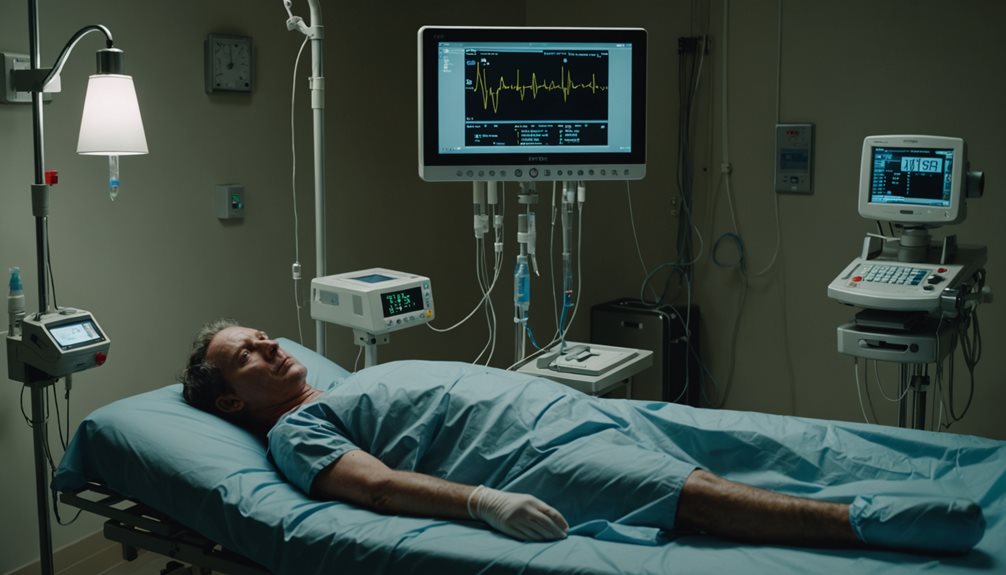
Potential Risks and Complications
While Total Parenteral Nutrition (TPN) plays a critical role in supporting patients who are unable to meet their nutritional needs enterally, its use is associated with several significant risks.
One of the primary concerns is the risk of infection associated with chronic intravenous access; bloodstream infections can occur and are linked to increased morbidity and mortality.
Metabolic complications, such as hyperglycemia and refeeding syndrome, are also possible and necessitate regular clinical and laboratory monitoring.
Long-term TPN use may contribute to the development of parenteral nutrition-associated liver disease (PNALD), which presents with varying degrees of liver dysfunction.
Additionally, the absence of enteral nutrition can result in gut mucosal atrophy, particularly in pediatric populations.
Careful management and regular assessment by the healthcare team are essential for minimizing these risks.
Long-Term Outlook With TPN
Long-term total parenteral nutrition (TPN) is associated with specific risks and considerations. One of the primary concerns is the potential development of parenteral nutrition-associated liver disease (PNALD), particularly in individuals who rely on TPN for extended periods.
Regular monitoring of nutritional status and liver function tests is important to detect early signs of complications. Despite these risks, many individuals can maintain a reasonable quality of life with appropriate medical management.
Transitioning from TPN to oral or enteral nutrition requires a structured approach and the guidance of healthcare professionals to minimize potential complications. Ongoing medical supervision plays a key role in addressing challenges and supporting overall health in those receiving long-term TPN.