If you’re looking for natural ways to support your gut health, herbal teas might be just what you need. They’ve been used for centuries to ease digestive woes and promote wellness. From soothing bloating to calming irritation, certain teas offer targeted benefits for your stomach. Want to know which ones can make a real difference in your daily routine? Stick around to uncover the best options for your digestive comfort.
Key Takeaways
- Ginger tea helps alleviate nausea and indigestion with its active compounds.
- Peppermint tea relaxes gastrointestinal muscles, reducing bloating and gas.
- Fennel tea eases bloating and cramps through anti-inflammatory properties.
- Chamomile tea calms gut irritation and reduces indigestion symptoms.
- Puerh tea supports digestive health by lowering cholesterol and fat accumulation.
Exploring Herbal Teas for Digestive Wellness

While medications are commonly used to address digestive concerns, herbal teas may serve as a complementary approach to support gut health.
Certain herbal teas, such as peppermint tea, have been studied for their potential to ease symptoms of irritable bowel syndrome by relaxing the digestive tract. Additionally, ginger tea is often recognized for its ability to alleviate mild digestive discomfort, such as nausea or indigestion.
These herbal infusions are generally well-tolerated and may be incorporated into a daily routine as part of a broader strategy for digestive wellness. However, their effects can vary from person to person, and it’s advisable to consult with a healthcare professional before using herbal teas as a primary treatment for digestive issues.
Ginger Tea and Its Digestive Benefits
Ginger tea is commonly used as a natural approach to aid digestive health. The active compounds in ginger, including gingerols and shogaols, have been found to stimulate stomach contractions, which can facilitate digestion and help reduce symptoms such as nausea.
Clinical studies indicate that consuming approximately 1.5 grams of ginger daily may help decrease episodes of vomiting, while a dose of 1.2 grams has been associated with faster gastric emptying, potentially reducing digestive discomfort.
Additionally, regular consumption of ginger tea may contribute to lower levels of gut inflammation, which can support overall gastrointestinal health. Nutrition professionals often recommend ginger tea as a practical option for managing mild digestive concerns.
Peppermint Tea for Soothing Stomach Discomfort
Peppermint tea is commonly used as a natural approach to manage mild stomach discomfort. The tea is made from leaves of the Mentha piperita plant, which contain menthol—a compound that may help relax gastrointestinal muscles and facilitate digestion.
Some studies suggest peppermint may help reduce symptoms such as bloating and gas.
To prepare peppermint tea, steep 7–10 fresh peppermint leaves or a commercially available tea bag in hot water for about 10 minutes.
While peppermint tea is generally considered safe for most people when consumed in moderate amounts, excessive intake may lead to heartburn, particularly in individuals with gastroesophageal reflux disease (GERD).
It’s advisable to consume peppermint tea in moderation and consult a healthcare provider if you have underlying digestive conditions.
Fennel Tea to Ease Bloating and Cramps
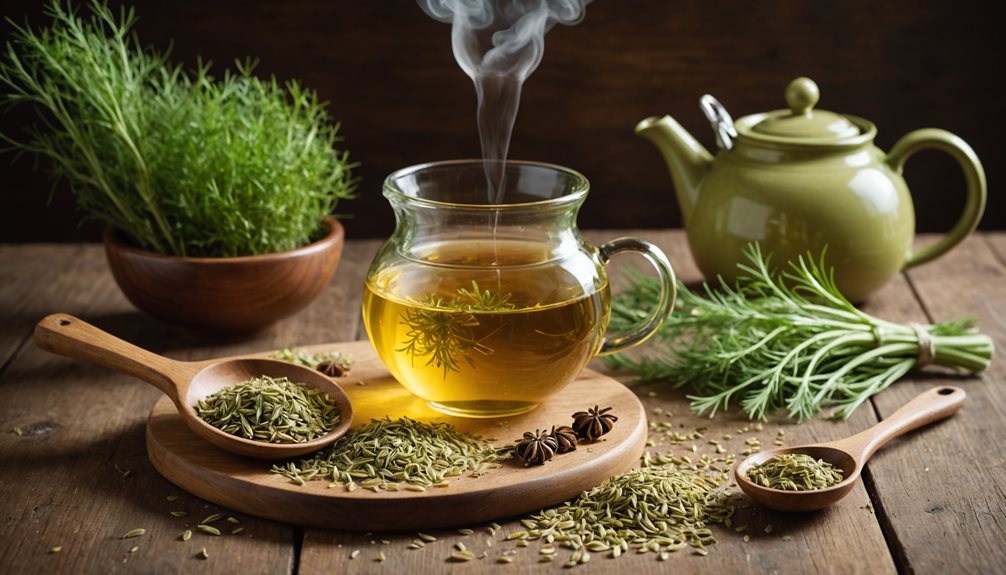
Fennel tea is recognized for its potential to alleviate digestive issues, particularly bloating and abdominal cramps. Its mild, licorice-like flavor is accompanied by properties that may help relieve discomfort associated with indigestion.
Research indicates that fennel contains compounds with anti-inflammatory and antioxidant effects, which can support gastrointestinal health by reducing inflammation and potentially protecting against digestive tract irritation. Some evidence also suggests that fennel tea may help reduce the risk of stomach ulcers and support regular bowel movements.
To prepare fennel tea at home, steep one teaspoon of fennel seeds in boiled water for 5–10 minutes. Regular consumption may assist in managing symptoms such as bloating and gas, contributing to overall digestive well-being.
Chamomile Tea for Calming Gut Irritation
Chamomile tea is recognized for its potential to alleviate gut irritation, primarily due to its anti-inflammatory properties.
Research indicates that compounds such as flavonoids in chamomile may help relax the muscles of the digestive tract, which can reduce symptoms associated with conditions like gastritis and irritable bowel syndrome (IBS).
Several studies suggest that chamomile may also help reduce bloating and indigestion.
As it’s naturally caffeine-free, chamomile tea may support better sleep quality, and adequate rest is considered beneficial for overall gut health.
While chamomile tea may be helpful for mild digestive discomfort, individuals experiencing ongoing or severe symptoms should consult a healthcare professional for appropriate evaluation and management.
Dandelion Tea for Supporting Liver and Digestion
After considering the calming effects of chamomile, it’s useful to examine dandelion tea and its potential roles in liver and digestive health.
Dandelion tea, commonly prepared by steeping dandelion flowers or roots in hot water, has been studied for its possible digestive benefits. Research suggests that compounds in dandelion may stimulate mild contractions in the digestive tract, which can help facilitate the movement of food and aid digestion.
Additionally, dandelion contains antioxidants that may help mitigate oxidative stress in the body. Some studies indicate that dandelion can support liver health by promoting bile production, which is necessary for the digestion and absorption of fats.
There’s also evidence that dandelion tea may offer modest protection against ulcers by reducing inflammation and limiting excess stomach acid. To prepare, it’s typically recommended to steep the tea for 5 to 10 minutes before straining.
While dandelion tea may contribute to digestive and liver function as part of a balanced diet, further research is needed to confirm these effects and determine optimal usage.
Senna Tea as a Natural Laxative

Senna tea is a natural laxative made from the leaves of the Cassia plant. It’s frequently used as a remedy for constipation, as it contains compounds that stimulate contractions in the digestive tract and promote bowel movements.
Research indicates that a significant proportion of users report relief from constipation symptoms after consuming senna tea. Preparation typically involves steeping one teaspoon of dried senna leaves in a cup of boiled water for approximately 5 to 10 minutes.
While senna tea can be effective for short-term relief of constipation, it isn’t recommended for prolonged use without medical advice, as it may lead to side effects such as abdominal cramps or diarrhea.
Consulting a healthcare provider before regular use is advisable to ensure safety.
Marshmallow Root Tea for Gastrointestinal Relief
Marshmallow root tea is a traditional herbal remedy that has been used to address gastrointestinal discomfort. The tea contains mucilage, a gelatinous substance that can coat and protect the lining of the stomach, which may help reduce irritation and inflammation.
Some preliminary evidence suggests that this effect could be beneficial for individuals experiencing symptoms of heartburn or ulcers, although more rigorous scientific studies are needed to confirm these benefits.
To prepare marshmallow root tea, steep one tablespoon of dried marshmallow root in a cup of boiled water for 10 to 15 minutes, then strain before consuming.
While this herbal tea has a history of use for digestive health, its effectiveness and safety haven’t been established through large-scale clinical trials. Individuals considering marshmallow root tea for gastrointestinal issues should consult a healthcare provider, especially if they’ve underlying health conditions or are taking medication.
Puerh Tea for Fat Breakdown and Gut Support
Puerh tea is a type of fermented tea that has been studied for its potential effects on fat metabolism and gut health. Research suggests that certain compounds in puerh tea, such as strictinin and other polyphenols, may contribute to fat breakdown by promoting lipid metabolism. This property has led to interest in puerh tea as a possible aid for weight management.
In addition to its role in fat metabolism, puerh tea may support gut health. Some studies have indicated that regular consumption of puerh tea can help improve the balance of gut bacteria, which is important for digestion and overall gastrointestinal function.
There’s also evidence that puerh tea may help lower cholesterol levels, which could reduce the accumulation of fat in the digestive system.
While puerh tea does contain caffeine, its content is generally moderate and may be tolerated by individuals who are sensitive to caffeine when consumed in small amounts.