Have you ever wondered what’s vital to your diet but doesn’t quite fit the nutrient label? Let’s talk about dietary fiber. It’s a key player in keeping your body healthy, yet it isn’t digested like other components. Why does it matter so much, though? Stick with me to uncover its surprising benefits and how it impacts your wellness in ways you might not expect.
Key Takeaways
- Fiber is crucial for digestive health but is not considered a nutrient.
- Hydration supports overall health yet is not classified as a nutrient.
- Phytochemicals offer health benefits without being nutrients.
- Antioxidants protect cells but are not technically nutrients.
- Food additives enhance flavor but lack nutrient status.
Understanding Dietary Fiber
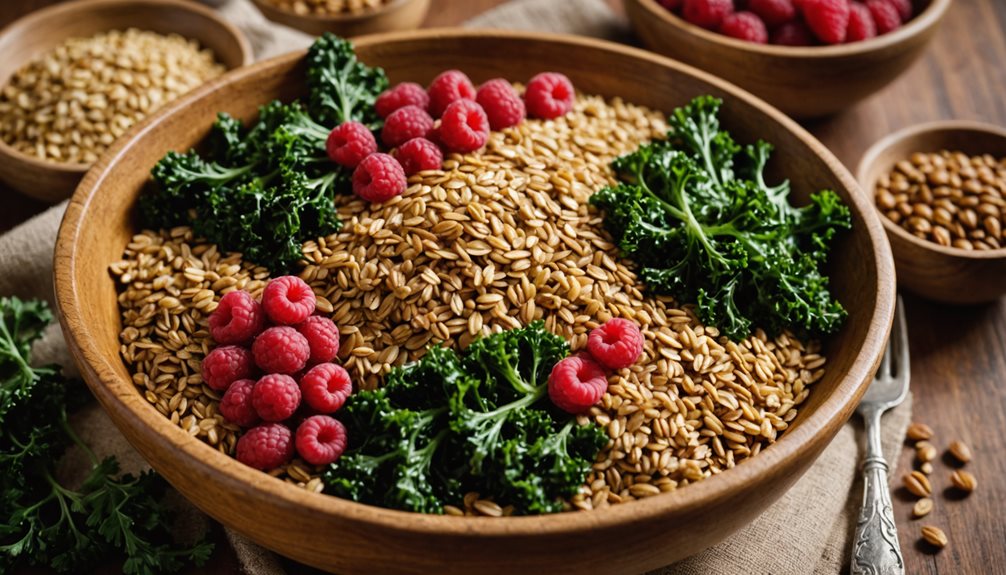
Dietary fiber is a component of plant foods that the human body can’t digest. Although it doesn’t provide energy, it plays an important role in overall nutrition and health.
Dietary fiber is generally categorized as either soluble, which dissolves in water, or insoluble, which does not. Both types contribute to digestive health, primarily by supporting regular bowel movements and helping to prevent gastrointestinal issues such as constipation.
Consistent intake of dietary fiber has also been associated with a reduced risk of certain chronic diseases, including heart disease and type 2 diabetes. For these reasons, incorporating fiber-rich foods into a balanced diet is recommended for maintaining digestive regularity and supporting long-term health.
Health Benefits of Fiber
Dietary fiber provides several well-documented health benefits. It promotes digestive health by increasing stool bulk and supporting regular bowel movements, which can help alleviate constipation.
Fiber can also contribute to weight management, as it tends to promote a feeling of fullness, which may reduce overall calorie intake.
In terms of cardiovascular health, fiber—particularly soluble fiber—has been shown to lower cholesterol levels, which is associated with a reduced risk of heart disease.
Additionally, fiber slows the absorption of sugar, which can help regulate blood sugar levels and assist in the management of diabetes.
Although fiber isn’t classified as a nutrient, its inclusion in the diet is an important factor in maintaining overall health and reducing the risk of certain chronic conditions.
Types of Dietary Fiber
Understanding the types of dietary fiber is important for maintaining overall health. Although fiber isn’t classified as a nutrient, it plays essential roles in the body.
Dietary fiber is generally categorized into two forms: soluble and insoluble. Soluble fiber dissolves in water and can help regulate blood sugar levels. Insoluble fiber doesn’t dissolve in water and promotes regular bowel movements, supporting digestive health.
Both forms contribute to gut health and may reduce the risk of certain chronic diseases. However, many people don’t achieve the recommended daily intake of 25–38 grams.
Including sources of both soluble and insoluble fiber in the diet can support digestive function and general well-being.
Sources of Fiber in Diet

Dietary fiber is a key component of a balanced nutrition plan, and understanding its sources is important for maintaining health.
Fruits such as apples and berries are notable sources of fiber and also contain a range of essential nutrients.
Vegetables, including broccoli and carrots, contribute significant amounts of dietary fiber to meals.
Whole grains, such as oats and brown rice, not only provide fiber but also help with blood sugar regulation.
Legumes, including beans and lentils, are also high in fiber and supply additional protein.
Regular consumption of these plant-based foods is associated with improved digestive health and overall well-being.
Incorporating a variety of these sources can help ensure adequate fiber intake in the diet.
Fiber and Digestive Wellness
Dietary fiber is an important component of digestive health. Although fiber isn’t classified as a traditional nutrient, it serves specific functions in the digestive system.
Insoluble fiber adds bulk to stool and can help prevent constipation, while soluble fiber can contribute to healthy gut function. Consuming adequate amounts of fiber from sources such as whole grains, fruits, and vegetables has been associated with a reduced risk of certain chronic diseases, including cardiovascular conditions.
Regularly incorporating these foods into the diet can support consistent digestive processes and contribute to overall health. Prioritizing fiber intake is a practical strategy for maintaining digestive wellness.
Role in Blood Sugar Management
In addition to its role in digestive health, dietary fiber contributes to the regulation of blood sugar levels. Fiber slows the absorption of sugar in the digestive tract, which helps reduce fluctuations in blood glucose levels.
Soluble fiber—present in foods such as oats and beans—has been shown to improve glycemic control and may aid in lowering blood glucose. Incorporating adequate amounts of dietary fiber in the diet can also improve insulin sensitivity and lower the risk of developing type 2 diabetes.
Current guidelines recommend a daily intake of 25 to 38 grams of fiber for adults. Choosing foods high in fiber may therefore support more stable blood sugar management.
Impact on Heart Health

Dietary fiber has been shown to play an important role in supporting heart health. Increasing fiber intake can help lower LDL cholesterol levels, which is a key factor in reducing the risk of heart disease.
Research indicates that diets high in fiber, such as those including oats and beans, are associated with improved cardiovascular outcomes.
The American Heart Association recommends consuming 25-30 grams of dietary fiber per day to promote overall health.
Adequate fiber intake may also contribute to lower levels of inflammation and help manage blood pressure, both of which are relevant to maintaining heart health and reducing cardiovascular risk.
Contribution to Weight Control
Dietary fiber plays an important role in weight management. Consuming sufficient fiber increases satiety, which can lead to reduced calorie intake by helping individuals feel full for longer periods.
High-fiber foods, such as fruits, vegetables, and whole grains, tend to require more chewing and take longer to digest, which may influence eating pace and portion size. Fiber also affects hormones related to appetite, potentially reducing the likelihood of overeating.
Additionally, it supports stable blood sugar levels, which may help prevent sudden cravings. Research indicates that higher dietary fiber intake is associated with a lower risk of obesity.
Including adequate fiber as part of a balanced diet can contribute to effective weight control strategies.
Fiber and Gut Microbiome
Dietary fiber plays an important role in maintaining a healthy gut microbiome. Although it isn’t classified as a traditional nutrient, fiber provides a primary energy source for beneficial gut bacteria. When these bacteria break down fiber, they produce short-chain fatty acids and other byproducts that contribute to digestive function and can influence nutrient absorption.
Adequate fiber intake is associated with regular bowel movements and can help prevent constipation and certain digestive disorders.
Additionally, a fiber-rich diet supports a diverse microbial population in the gut, which research suggests may be linked to improved metabolic health and reduced markers of inflammation.
Incorporating sufficient dietary fiber from a range of sources is considered a practical strategy for supporting gut health and overall physiological function.
Incorporating Fiber Into Daily Meals
Maintaining adequate fiber intake is important for supporting digestive health. Including foods such as fruits, vegetables, whole grains, and legumes in daily meals can contribute to meeting recommended fiber intake levels.
The general guideline for adults is to consume 25–38 grams of fiber per day, which can help promote regular bowel movements and reduce the risk of constipation.
Soluble fiber, found in foods like oats and beans, has been demonstrated to help lower cholesterol levels and stabilize blood sugar.
Choosing snacks such as raw vegetables or nuts may also contribute to increased satiety between meals. It’s advisable to increase fiber intake gradually and to ensure adequate hydration, as this can help minimize gastrointestinal discomfort.
Integrating a variety of fiber sources as part of a balanced diet supports overall nutritional health.